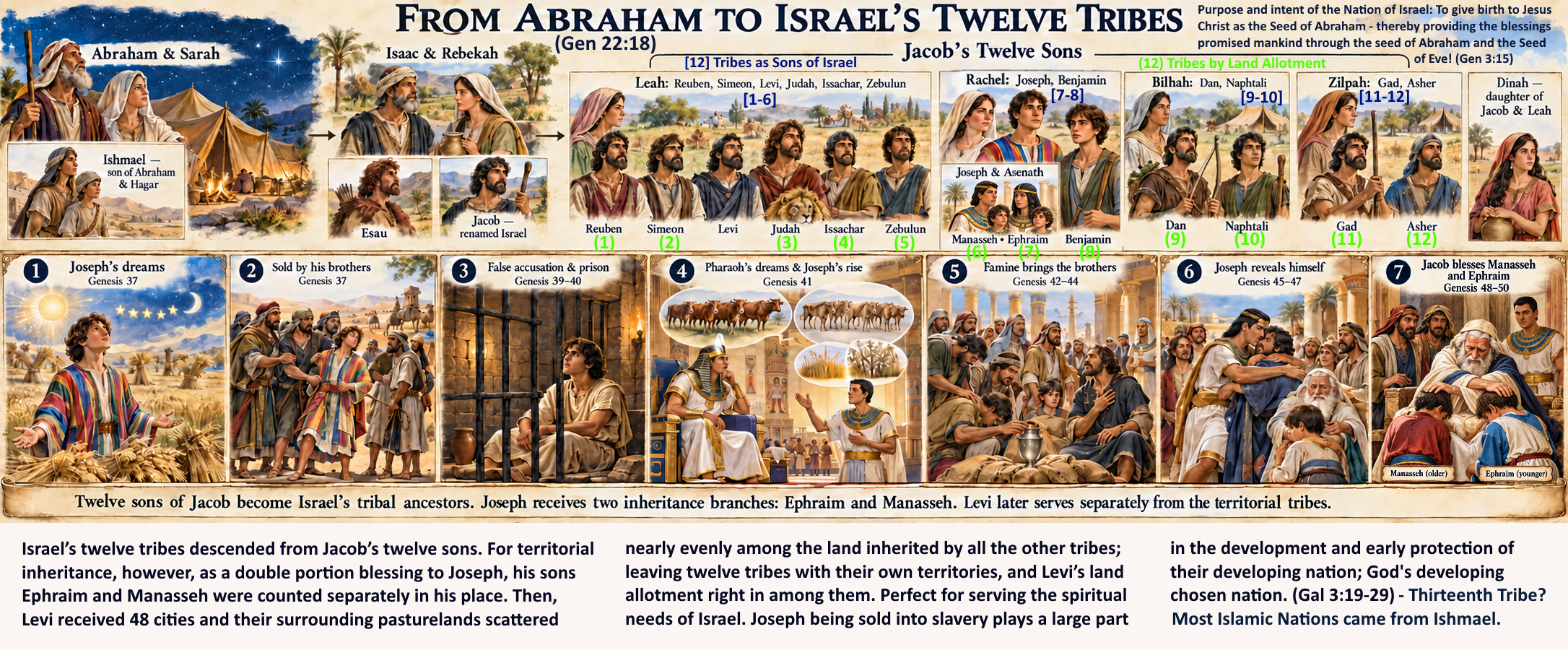
“Ephraim” became more than merely a tribal name. It became:
- a prophetic name for the northern kingdom of Israel,
- especially the rebellious and spiritually wandering nation,
- yet also a people still loved by יהוה despite their corruption.
That tension is seen especially in Hosea and Jeremiah.
Ephraim as the Erring Nation
God repeatedly condemns Ephraim for:
- idolatry,
- alliances with pagan nations,
- pride,
- and covenant unfaithfulness.
“Ephraim is joined to idols. Leave him alone!”
Ephraim represents the spiritually corrupted northern kingdom devoted to idolatry.
And yet immediately surrounding such judgments are statements of grief, compassion, and longing.
Tender Compassion Despite Rebellion
One of the clearest passages is:
“Is Ephraim my dear son? Is he a darling child? For as often as I speak
against him, I still remember him dearly. Therefore my heart yearns for
him. I will surely have mercy on him,” says
יהוה.
Though Ephraim is repeatedly rebuked, God still speaks of him with tenderness and compassion.
That is remarkable because:
- Ephraim is often portrayed as stubborn and adulterous spiritually,
- yet God still calls him:
- “my dear son,”
- “darling child.”
So Ephraim becomes almost a symbol of:
- fallen covenant people,
- disciplined but not forgotten,
- judged yet still objects of compassion.
Hosea Expands This Theme
Hosea especially presents Ephraim almost like:
- a wayward son,
- an unfaithful wife,
- and a nation addicted to spiritual adultery.
Yet God says:
Hosea 11:8 (WEB)
“How can I give you up, Ephraim? How can I hand you over, Israel?”
“Ephraim” and “Israel” are used almost interchangeably, showing Ephraim had become shorthand for the northern kingdom.
Notice the parallel:
They are nearly interchangeable there.
That is one of the strongest proofs that “Ephraim” had become shorthand for the northern nation itself.
A Deeper Pattern
Ephraim’s story mirrors a larger biblical pattern:
- chosen,
- blessed,
- elevated,
- corrupted,
- judged,
- yet remembered with mercy.
In that sense Ephraim becomes a picture not only of ancient northern
Israel, but of the tragedy of covenant people drifting from God while
still being called back by Him.